Reorganizing and rethinking tourism on Lake Garda through 10 key points.
11 July 2025
Legambiente: "In the Lake Garda area, there is an urgent need to promote sustainable development of the lakeside areas through targeted interventions in three key areas: mobility, regulation and diversification of tourism offerings, and the active involvement of residents through tools for discussion and participation."
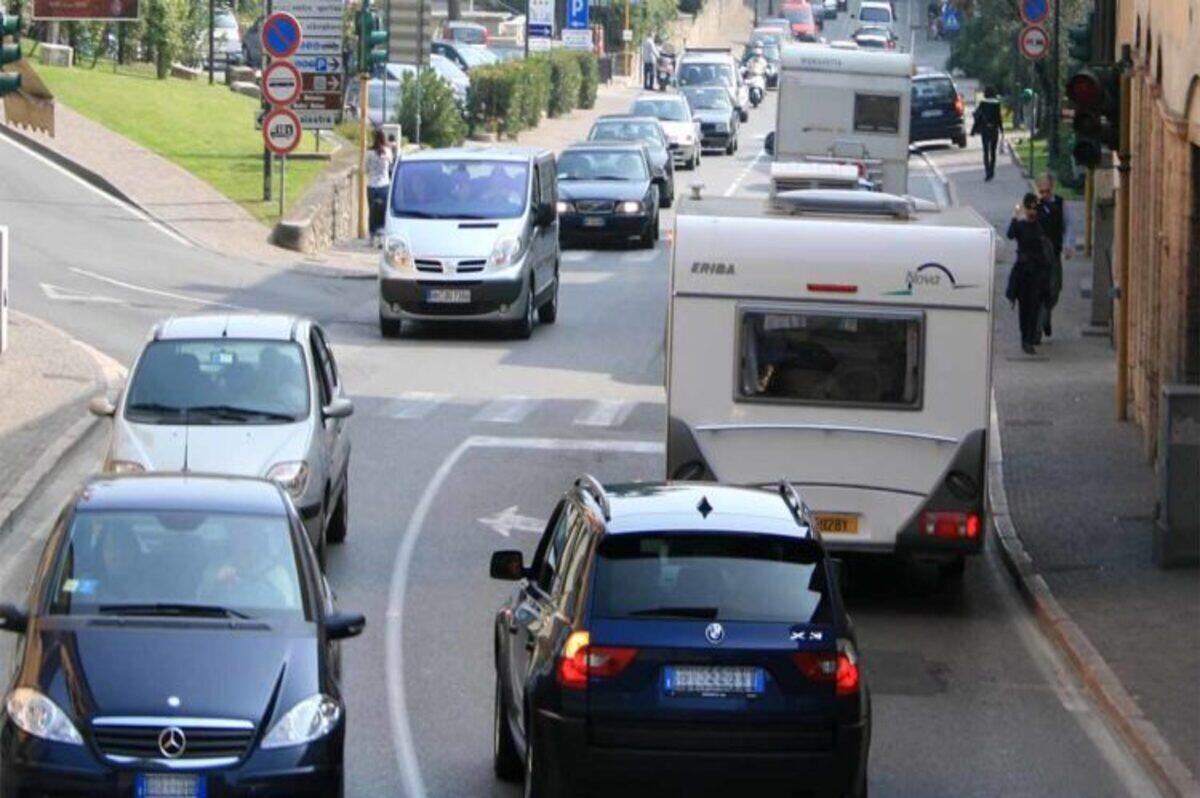
"Tourist overcrowding in the lakeside municipalities of the Lake Garda area compromises the livability of the areas, hinders access to services, alters local economic balances, and, above all, puts environmental quality at risk."
The appeal was launched by Legambiente, which organized a meeting in Peschiera del Garda (VR) on the topic of excessive tourist influx in the lakeside towns of Garda, during the second Veneto stage of the national Goletta dei Laghi campaign.
Tourist pressure
Faced with staggering tourist numbers, which in the four summer months reach over 18 million out of a resident population of 190,000, Legambiente has presented ten proposals to combat the phenomenon of overtourism, aimed at local administrators, citizens, businesses, and operators in the tourism and hospitality sector.
The goal is to promote sustainable development of lakeside areas through targeted interventions in three key areas: mobility, regulation and diversification of tourism offerings, and the active involvement of residents through tools for discussion and participation.
Highlighting the urgency of the problem are ISTAT data reworked by the environmental association: between 2014 and 2024, in the 23 municipalities bordering Lake Garda, spread across Lombardy, Veneto, and Trentino-Alto Adige, tourist arrivals increased by 27% overall, with the Veneto shore experiencing the greatest growth (+32%), followed by Lombardy (+23%) and Trentino (+19%).
Too many tourists in a small space and in just a few months: the consequences
The growing impact of tourism on lakeside areas, particularly in the Garda area, requires a thorough rethinking of the development model adopted to date.
Too many tourists in too little space means less livability for those who live there, services at capacity, growing economic imbalances, and an increasingly fragile environment,” stated Luigi Lazzaro, Barbara Meggetto, and Andrea Pugliese, presidents of Legambiente Veneto, Lombardy, and Trento, respectively, speaking at the meeting. “To address this challenge constructively, Legambiente is proposing a package of measures structured into ten priority actions, aimed at administrations, industry operators, residents, and tourists.
The goal is to build a more balanced, responsible, and sustainable tourism model, capable of protecting the territory and ensuring lasting benefits for local communities through:
1. Development of integrated and intermodal access mobility to decongest traffic and reduce car use;
2. Introduction of regulations on short-term rentals and incentives to encourage residential rentals for residents;
3. Definition of the tourist carrying capacity for each location, with the aim of limiting access during critical periods and preserving environmental and social balance;
4. Targeting the tourist tax to improve public services and local infrastructure;
5. Adoption of certification systems for destinations and operators, aimed at promoting responsible management of flows and reducing environmental impact and resource consumption;
6. Creation of permanent and participatory listening groups, open to the public, to collect requests and monitor the effects of tourist overcrowding;
7. Diversification of tourism offerings to broaden the target audience and reduce concentration during peak periods. high season;
8. Reshape promotional activities: slow down communication on already overexposed locations and encourage promotion during the "shoulder" seasons or during targeted events, to attract a more select audience;
9. Discourage organized mass hiking, which leads to overcrowding, problems with waste management and services, and a limited positive economic impact on the area;
10. Publish a handbook for visitors, with clear instructions on responsible behavior and rules to be respected in host locations.
Article taken from: http://gardapost.it/2025/07/07/legambiente-il-decalogo-contro-lovertourism/
Previous