LAKE GARDA – Between the Winter Olympics, Lago di Garda in Love and Easter
19 February 2026
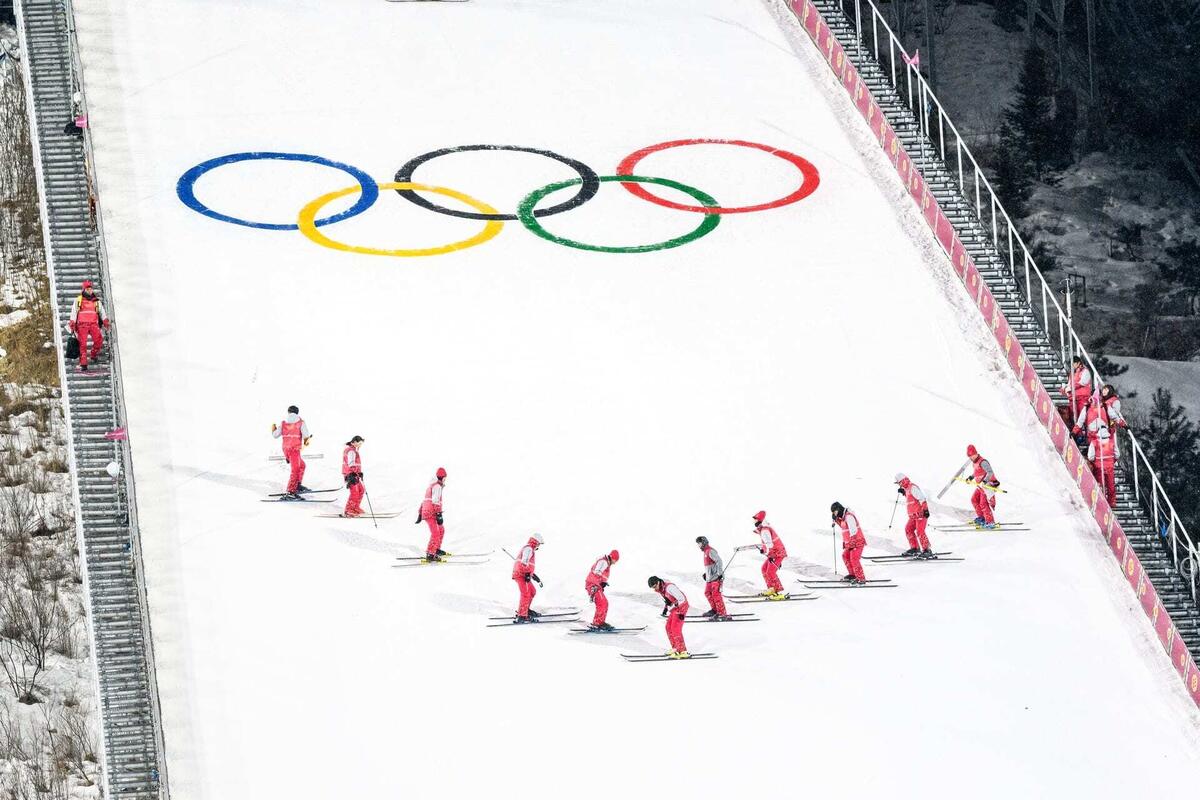
While Milan reached occupancy rates of 80%, the “transit” or peripheral areas compared to the competition venues, such as several shores of Lake Garda, do not seem to have been significantly influenced by the Olympics.
The impression is that the Olympic effect — which will continue with the Paralympics — has not contributed to reducing tourism seasonality in the Lake Garda area.
Even mountain areas outside the main competition hubs recorded a drop of up to 30% in skiers and regular visitors, discouraged by the chaos and price increases linked to the event — as reported by Il Nordest.
However, the cost of the Olympic Games does not stop at the hotel sector: despite the organizers’ promises, the event has had a negative environmental impact. The World Economic Forum estimated that the event will generate approximately 930,000 tons of total CO₂ emissions, not including the massive use of artificial snow, which entails enormous water and energy consumption.
The most debated project has certainly been the Cortina d’Ampezzo bobsleigh track, which cost around €118–120 million and led to the felling of centuries-old larch trees, with a significant impact on the local landscape.
The Winter Games, which could have been an opportunity to reduce seasonality — a red carpet rolled out ahead of the Easter period — appear to have been a missed opportunity from several points of view: economically, given investments that did not generate returns for all surrounding areas; and above all environmentally, in terms of underused facilities, emissions, and scarred landscapes.
There is, however, positive news regarding the ninth edition of “Lago di Garda in Love,” organized for Valentine’s Day weekend and held on a date conveniently close to the traditional Carnival celebrations.
The ability of the Garda municipalities to work together has sounded the overture to the Easter symphony: the Observatory of the Destination Verona & Garda Foundation reported an occupancy rate of 76% during this period which, although referring to just 15% of the structures open, is still an encouraging figure.
Paolo Artelio, president of the Destination Verona & Garda Foundation, highlights that “initiatives such as Lago di Garda in Love, developed together with municipalities and operators, are capable of giving meaning to travel and transforming an event into a widespread experience able to concretely influence visitor flows.”
The willingness to collaborate and engage in dialogue demonstrates an ability to enhance traditions and the local area, making it attractive out of season without relying on extraordinary — and potentially unsustainable — events.
Culture, tradition, and community therefore take the podium in the effort to reduce seasonality at Lake Garda, dethroning the Olympic Games and promoting a more sustainable form of tourism that continues to fall in love with our beloved lake.
Previous