The Garda model must be rapidly redesigned
28 April 2023
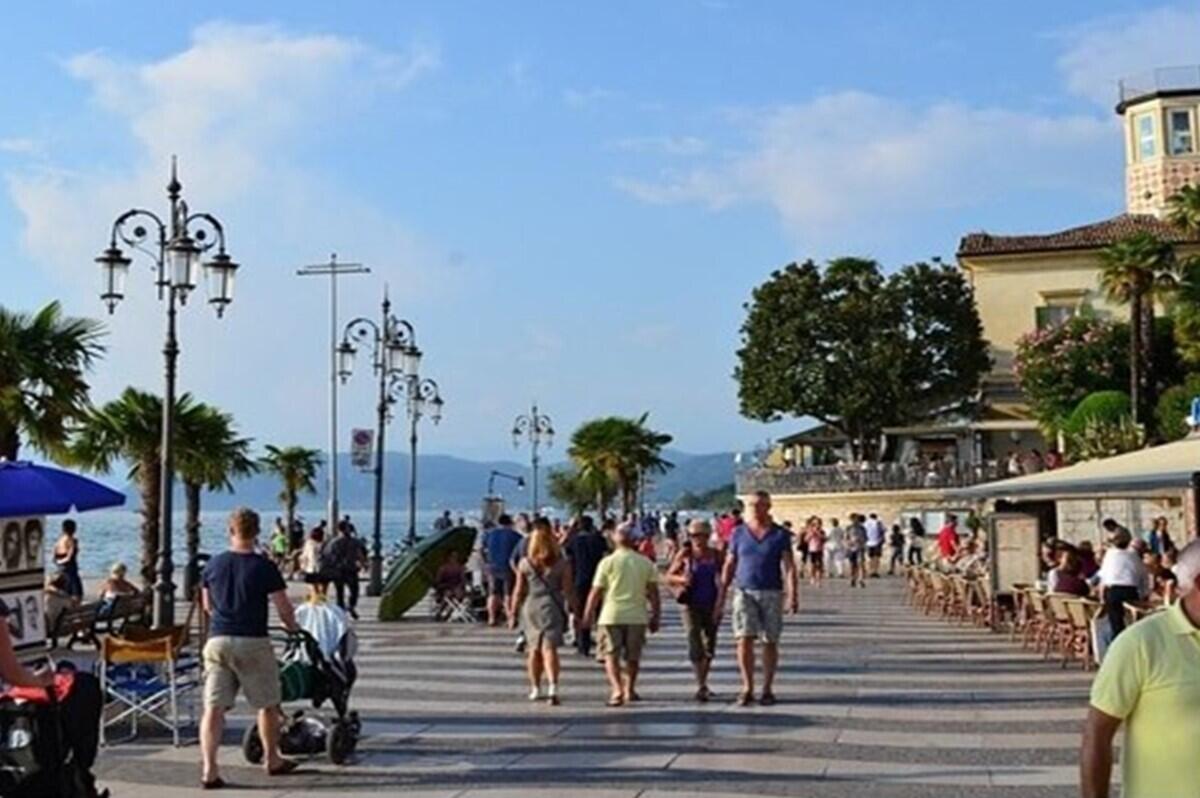
The model represented by the Garda ecosystem and that of its entrepreneurship, with its strong characterisation in small and medium-sized enterprises, is resilient, but at the same time very fragile. This year Garda is the second destination in Italy for arrivals and the growth trend will remain high until 2030. While concerns about promotion and turnover may temporarily take a back seat, attention must be quickly turned to a unified project with a medium and long-term vision of Lake Garda and its resources. If we really began to think of sustainability in its essence and not as a beautiful but uncomfortable garment that I cannot not have, converging towards common goals would be easier. The international, European, national and regional indications are clear and provide most of the resources needed to bring to fruition issues that, albeit with varying intensity, are common to all three shores of the lake. Integrated waste management, overtourism, short term rentals, mobility, closed numbers. Sustainability is understood as environmental, cultural, social and economic precisely because it cannot be a problem of a company, a municipality, an authority, but is a problem of every citizen who must reap the benefits of what is developed in an area, but must also take on his or her active role, whether he or she is a pensioner, a shopkeeper, or an entrepreneur.
The Garda system must 'look ahead', realise the reality, define a vision and evolve. That of the closed number proposed in these days by Federalberghi Garda Veneto can be an excellent starting point and hinge on which to articulate the various project proposals that concern the development of the Garda area in a touristic logic, but these must be calibrated and, above all, managed in such a way that they can be sustained by the environment, residents and local communities, as well as by mobility and sound waste management.
Previous